What Are Peptides? This is one of the most common questions people ask when they first hear about peptide therapy, fitness recovery, anti-aging treatments, or skin health products.
Peptides have become popular in health, wellness, bodybuilding, and longevity conversations. Some people use them for recovery, some for skin support, and others are simply curious about how they work inside the body.
In this beginner-friendly guide, we will explain what peptides are, how they work, their benefits, common uses, possible side effects, and how beginners can approach them safely.
This article is for educational purposes only and should not replace medical advice from a qualified healthcare professional.
Table of Contents
- What Are Peptides?
- How Do Peptides Work in the Body?
- Benefits of Peptides
- Peptides for Muscle Growth
- Peptides for Fat Loss
- Peptides for Recovery and Healing
- Peptides for Anti-Aging and Skin Health
- Common Types of Peptides
- Are Peptides Safe?
- How Beginners Use Peptides Safely
- Possible Side Effects of Peptides
- Who Should Avoid Peptides?
- Peptides vs Supplements
- Frequently Asked Questions About Peptides
- Final Thoughts on Peptides
What Are Peptides?
Peptides are short chains of amino acids. Amino acids are the building blocks of proteins, which your body needs for muscle, skin, hormones, tissues, enzymes, and many other important functions.
A simple way to understand peptides is this:
Proteins are long chains of amino acids, while peptides are shorter chains.
Because peptides are smaller than proteins, they can act as signaling molecules in the body. This means they can help send messages to cells and support different biological processes.
So, What Are Peptides in everyday language? They are tiny protein-like compounds that help the body communicate, repair, and function properly.
Peptides occur naturally in the body. They are also used in skincare, supplements, and certain medical treatments. However, not every peptide product is the same, and not every claim online is supported by strong research.
How Do Peptides Work in the Body?
Peptides work by sending signals to specific cells. Depending on the type of peptide, the signal may support healing, hormone activity, collagen production, appetite control, immune response, or tissue repair.
For example, some peptides may help the body produce more collagen. Others may influence growth hormone pathways, metabolism, or inflammation response.
This is why peptide therapy has become popular in wellness clinics, sports recovery programs, and anti-aging treatments.
However, it is important to understand that peptides are not magic. Their results depend on the type of peptide, product quality, dosage, medical supervision, and a person’s overall health.
When people search for What Are Peptides, they often expect one simple answer. But the truth is that peptides are a broad category, and each type can have a different purpose.
Benefits of Peptides
The possible benefits of peptides depend on the specific peptide being used. Some peptides have more research behind them than others.
Common peptide benefits may include:
- Support for muscle recovery
- Support for skin elasticity
- Improved collagen production
- Help with tissue repair
- Better post-workout recovery
- Support for healthy aging
- Possible help with fat metabolism
- Support for joint and connective tissue health
Peptide benefits should always be discussed carefully. Some peptides are well-studied in medicine, while others are still considered experimental or not approved for general use.
Peptides for Muscle Growth
Many athletes and fitness enthusiasts are interested in peptides for muscle growth. Some peptides are believed to support recovery, protein synthesis, or growth hormone pathways.
This is why peptides for bodybuilding have become a trending topic.
However, beginners should be careful. Using unregulated peptide injections without medical supervision can be risky. Some products sold online may not be tested, approved, or safe for human use.
If your goal is muscle growth, the foundation should always be:
- Proper strength training
- High-quality nutrition
- Enough protein intake
- Good sleep
- Recovery time
- Medical guidance when needed
Peptides may support certain goals, but they should never replace healthy habits.
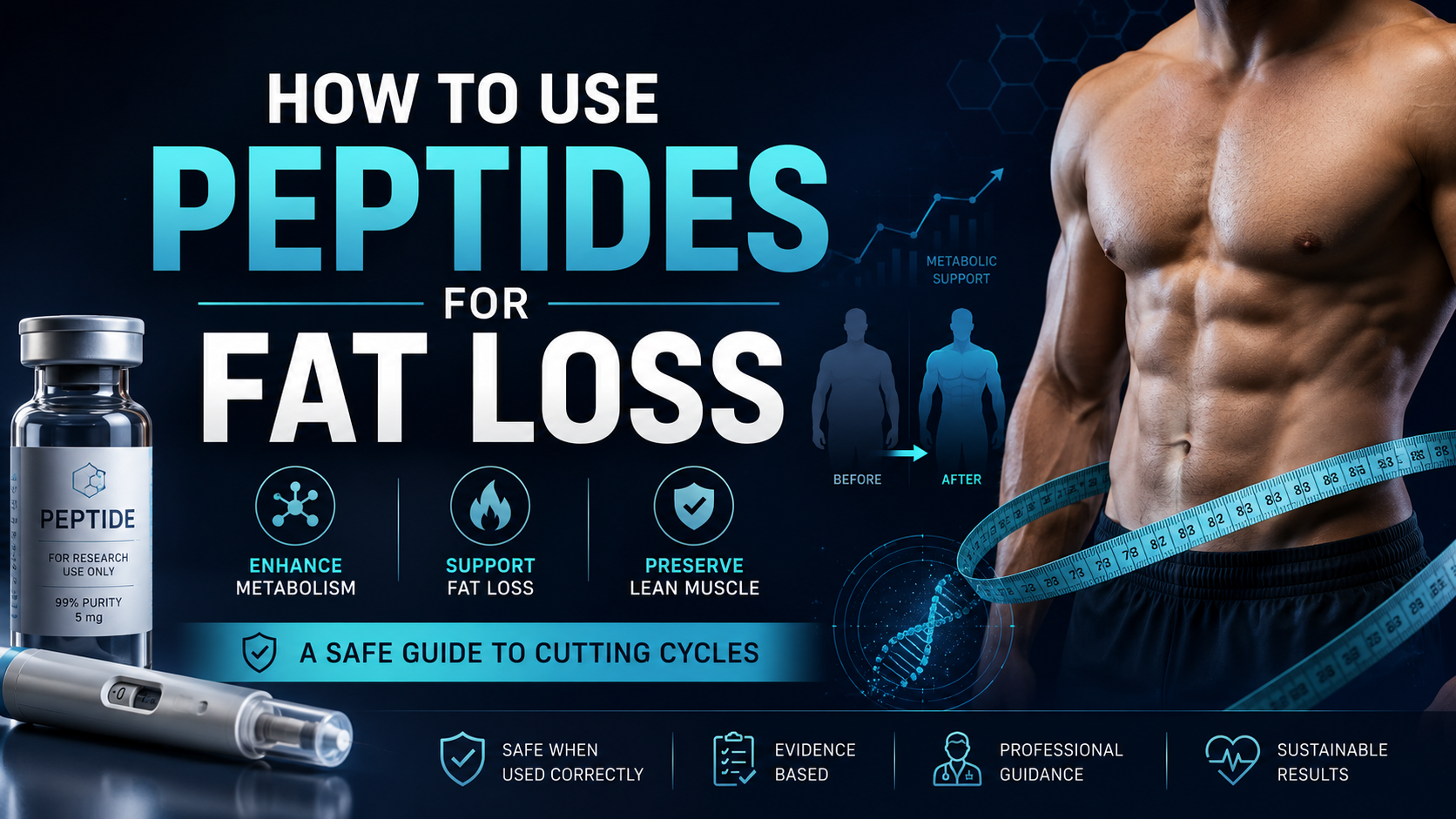
Peptides for Fat Loss
Some peptides are used in medical or wellness settings to support weight management. Certain peptide-based medications can influence appetite, blood sugar control, or metabolism.
Because of this, many people connect peptides with fat loss.
Still, not all peptides are weight-loss peptides. Also, results can vary from person to person.
For safe fat loss, beginners should focus on:
- Balanced nutrition
- Calorie control
- Regular movement
- Strength training
- Sleep quality
- Hormone and metabolic health
Before using any peptide for fat loss, it is best to speak with a healthcare provider.
Peptides for Recovery and Healing
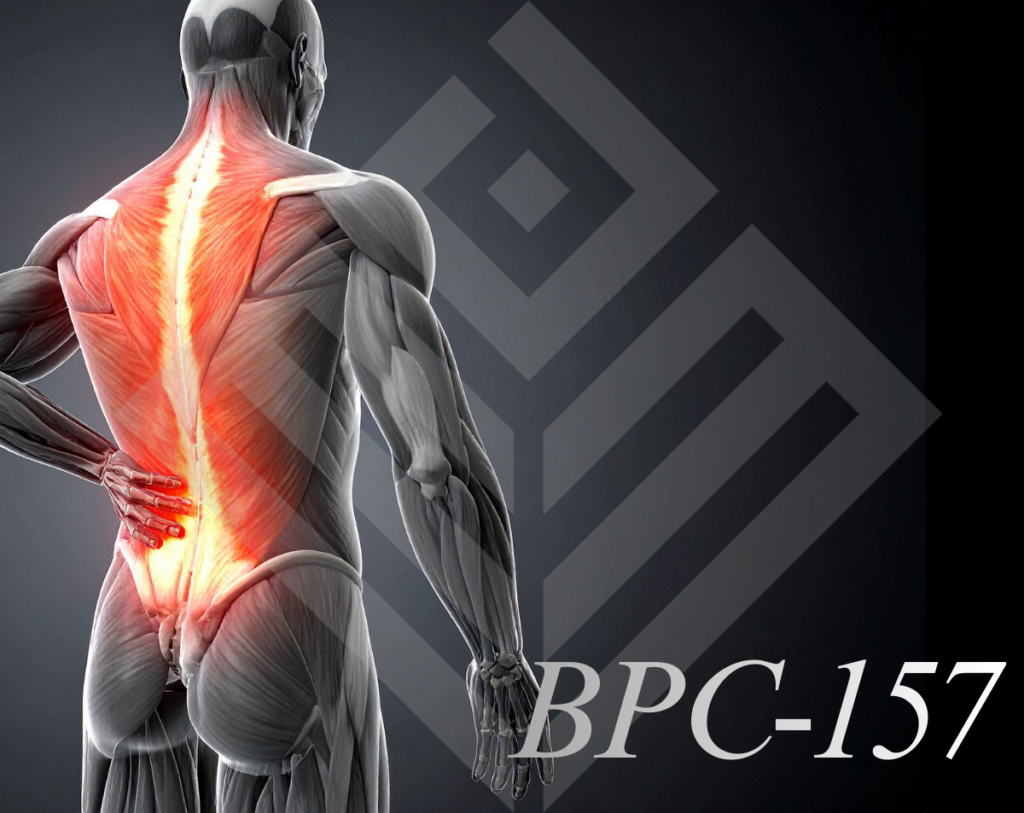
Healing peptides are another popular category. These peptides are often discussed for injury recovery, tissue repair, joint support, and inflammation management.
People interested in sports performance often search for healing peptides because they want faster recovery after training or injury.
However, recovery peptides should be approached carefully. Some popular names online may not be approved for human use or may lack strong clinical evidence.
A safe recovery plan should include rest, physical therapy when needed, proper nutrition, hydration, and professional medical advice.
Peptides may be discussed as part of a recovery plan, but they should not be used as a shortcut without guidance.
Peptides for Anti-Aging and Skin Health
Peptides are widely used in skincare products. In this area, they are often promoted for collagen support, skin firmness, hydration, and smoother-looking skin.
Collagen peptides are also common in supplements. They may support skin, nails, joints, and connective tissues.
For anti-aging and skin health, peptides may help support:
- Collagen production
- Skin texture
- Skin firmness
- Hydration
- Elasticity
- Fine line appearance
Still, results are usually gradual. Skincare peptides work best when combined with sunscreen, hydration, healthy diet, and consistent skincare habits.
Common Types of Peptides
There are many types of peptides, and each one has a different role.
Here are some common categories:
Collagen Peptides
Collagen peptides are commonly used for skin, joints, hair, nails, and connective tissue support. They are often found in powder, capsule, or drink form.
Signal Peptides
Signal peptides help send messages to cells. In skincare, they may support collagen and elastin-related activity.
Carrier Peptides
Carrier peptides help deliver minerals or other compounds to the skin. They are often used in cosmetic products.
Enzyme-Inhibiting Peptides
These peptides may help slow down processes that break down collagen in the skin.
Therapeutic Peptides
Some peptides are used in medicine for specific health conditions. These should only be used under professional medical supervision.
Are Peptides Safe?
Peptides can be safe when they are properly prescribed, properly sourced, and used under medical supervision.
However, the safety of peptides depends on several factors:
- The type of peptide
- Product quality
- Dosage
- Method of use
- Personal health condition
- Medication interactions
- Whether the peptide is approved or unregulated
This is very important for beginners. Many peptide products online are marketed with big promises, but not all are tested or approved.
If you are asking What Are Peptides because you are considering peptide therapy, the safest first step is to consult a licensed healthcare professional.
How Beginners Use Peptides Safely
Beginners should not start peptides based only on online advice, social media posts, or bodybuilding forums.
A safer approach includes:
- Speak with a qualified healthcare provider
- Review your health history
- Complete recommended bloodwork
- Understand the purpose of the peptide
- Ask about risks and side effects
- Avoid unregulated products
- Follow professional dosage instructions
- Monitor progress and symptoms
Peptide therapy should be personalized. What works for one person may not be right for another.
Possible Side Effects of Peptides
Peptide side effects depend on the type of peptide and how it is used.
Possible side effects may include:
- Injection site irritation
- Redness or swelling
- Headache
- Fatigue
- Digestive discomfort
- Water retention
- Appetite changes
- Hormonal changes
Some people may also experience allergic reactions or interactions with medications.
Because peptide side effects can vary, professional supervision is important.
Who Should Avoid Peptides?
Some people should avoid peptides unless a doctor specifically recommends them.
This may include people who:
- Are pregnant or breastfeeding
- Have serious medical conditions
- Have active cancer or a history of certain cancers
- Have uncontrolled hormone issues
- Take medications that may interact
- Have allergies to peptide ingredients
- Are using unregulated online products
If you have any health condition, do not start peptide therapy without medical advice.
Peptides vs Supplements
Peptides and supplements are not always the same thing.
Supplements usually include vitamins, minerals, herbs, amino acids, or protein powders. Peptides are short amino acid chains that may have more targeted signaling roles in the body.
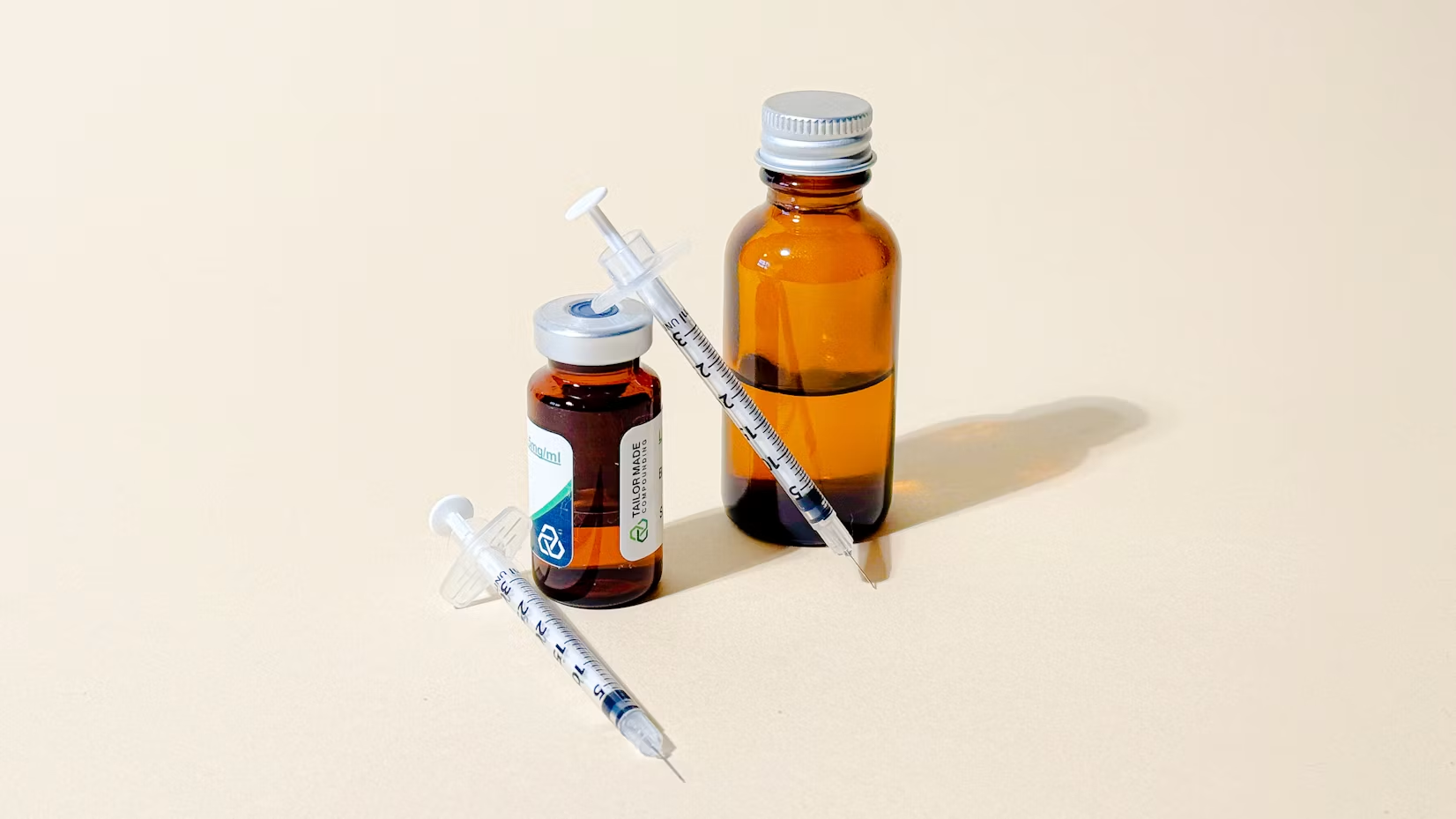
For example, collagen peptides are sold as supplements. But injectable peptide therapy is different and may require medical supervision.
Here is a simple comparison:
- Supplements often support general health
- Peptides may target specific biological pathways
- Some peptides are cosmetic ingredients
- Some peptides are prescription-based therapies
- Some peptides are not approved for human use
This is why beginners should understand the difference before buying any product.
Frequently Asked Questions About Peptides
What Are Peptides used for?
Peptides are used for many purposes, including skincare, collagen support, recovery, muscle support, fat loss, and certain medical treatments. The use depends on the specific peptide.
Are peptides natural?
Yes, peptides naturally exist in the body. However, peptide products can be natural, synthetic, medical-grade, cosmetic-grade, or unregulated depending on the source.
Are peptides good for bodybuilding?
Some people use peptides for bodybuilding because they may support recovery or muscle-related pathways. However, safety and legality depend on the peptide, product quality, and supervision.
Can peptides help with anti-aging?
Some peptides may support collagen production, skin elasticity, and healthier-looking skin. Results vary, and they work best with a complete skincare and wellness routine.
Do peptides have side effects?
Yes, peptide side effects may include injection site irritation, fatigue, headaches, digestive issues, or hormonal changes. Always consult a professional before using them.
Are peptides better than supplements?
Not always. Peptides and supplements serve different purposes. Supplements often support general wellness, while peptides may target specific body functions.
Final Thoughts on Peptides
What Are Peptides? In simple terms, peptides are short chains of amino acids that help the body communicate and perform important functions.
They may support muscle recovery, skin health, fat loss, anti-aging, healing, and wellness goals. However, peptides should be used carefully, especially when it comes to injections or products bought online.
For beginners, the best approach is education first, action second.
If you are interested in peptide therapy, speak with a qualified healthcare provider, complete proper testing, and make sure any product you use is safe, high-quality, and appropriate for your goals.
To learn more, explore our related guides on peptide dosage, best peptides for muscle growth, BPC-157 benefits, and peptide stacking.