Description
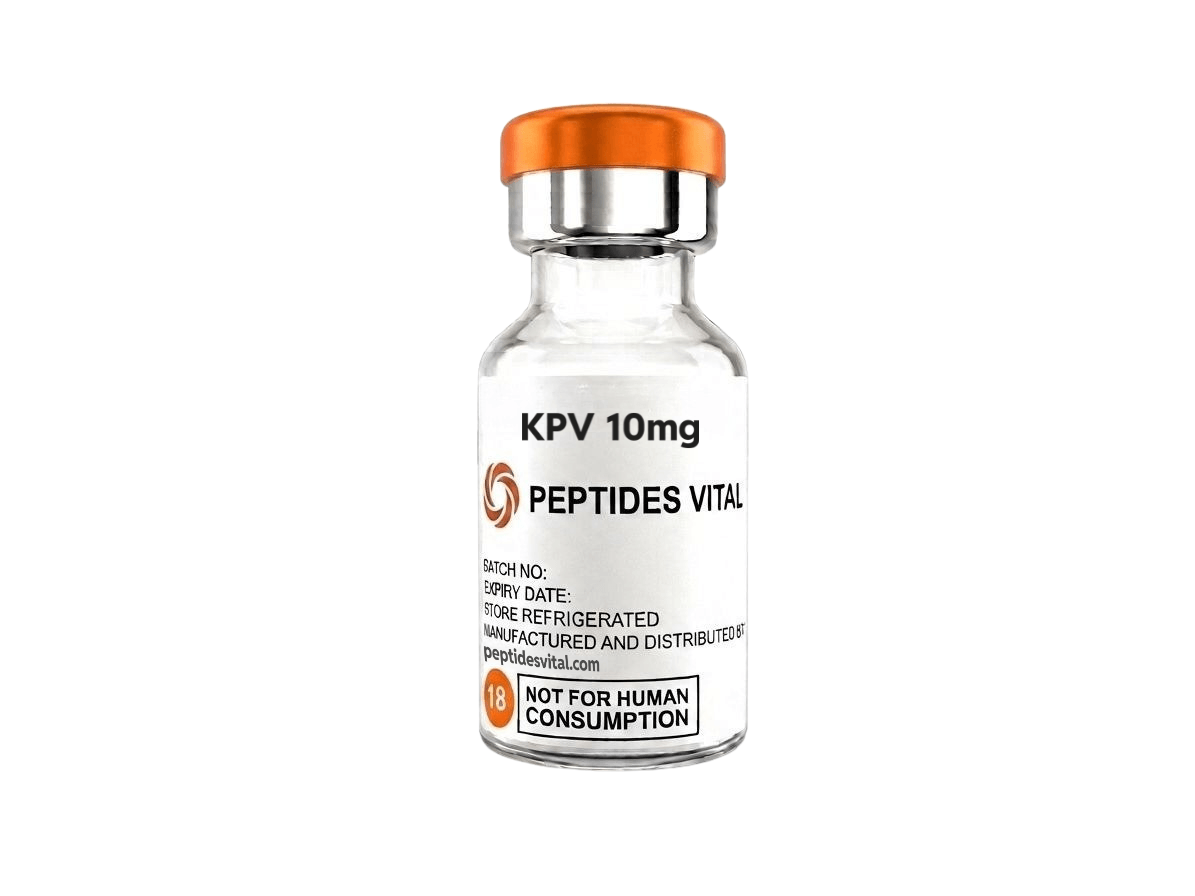
KPV is a synthetic tripeptide, lysine (K), proline (P), and valine (V), molecular formula C16H29N3O4, molecular weight 327.42 g/mol, CAS 67727-97-3. It corresponds to amino acids 11 through 13 of alpha-MSH, the C-terminal fragment, or tail end, of that larger 13-amino-acid neuropeptide.
What distinguishes KPV’s research profile from other alpha-MSH-derived compounds like Melanotan 1 and 2 is that its anti-inflammatory activity appears to work independently of classical melanocortin receptor binding, meaning it doesn’t produce the pigmentation effects associated with MC1R activation. This has made it a research subject in its own right, particularly in models of intestinal and gut inflammation, where it has been studied for reducing inflammatory cytokine activity through non-melanocortin pathways, distinct from the receptor-mediated research on the fuller alpha-MSH molecule and its analogs.
KPV is supplied as a white to off-white lyophilized powder, soluble in water at 1 mg/mL or greater, and requires reconstitution with bacteriostatic water before laboratory use. This product is strictly for research purposes only.
PubChem Reference: View compound profile on NIH PubChem

This product is strictly for research purposes only. Not approved for human or animal use.
Key Characteristics
MOLECULAR PROFILE
Formula: C16H29N3O4
Weight: 327.42 g/mol
CAS: 67727-97-3
Structure: Lysine-Proline-Valine
PHYSICAL PROPERTIES
Form: White to off-white lyophilized powder
Solubility: Water-soluble (≥1 mg/mL)
Reconstitution: Required with bacteriostatic water
Storage: Store in a cool, dry place away from light
KPV in Published Research
Most KPV research centers on gut and intestinal inflammation models, where it has been studied for reducing inflammatory markers without the broader immunosuppressive trade-offs seen with some anti-inflammatory compounds. Because it’s the minimal active fragment of alpha-MSH’s anti-inflammatory region, researchers also use it to study which specific structural elements of the larger hormone drive that activity, separate from alpha-MSH’s pigmentation and appetite-related effects.
Frequently Asked Questions :
What is KPV studied for?
Anti-inflammatory research, particularly in models of intestinal and gut inflammation, independent of melanocortin receptor-driven pigmentation effects.
How is KPV different from Melanotan 1/2?
KPV is the minimal C-terminal fragment of alpha-MSH studied for anti-inflammatory activity without the pigmentation effects those compounds are known for.
What benefits are reported in studies?
Reduced inflammatory cytokine activity in preclinical gut inflammation models.
How should it be reconstituted and stored?
Bacteriostatic water, store in a cool, dry place away from light.


Reviews
There are no reviews yet.